Conquer Your Culinary Fears: The Magic of Easy Blender Hollandaise Sauce
For many home cooks, the mere mention of Hollandaise sauce conjures images of culinary chaos: whisk-wielding chefs, steamy double boilers, and the ever-present dread of a beautiful sauce suddenly "breaking." This classic French emulsion, with its rich, velvety texture and bright, lemony tang, has long held a reputation for being notoriously difficult, reserved only for seasoned professionals or those with Herculean arm strength. But what if we told you that achieving a flawless, restaurant-quality Hollandaise is not only possible but incredibly simple, taking mere minutes with a common kitchen appliance? Welcome to the world of easy blender hollandaise sauce recipe – a foolproof method that will banish your fears and elevate your brunch game forever.
Gone are the days of endless whisking over a bain-marie, painstakingly dribbling in butter while hoping the emulsion holds. This revolutionary technique bypasses all the traditional pitfalls, delivering a consistently smooth, creamy sauce without the stress. Whether you're a brunch aficionado eager to perfect your Eggs Benedict, or simply looking to add a touch of gourmet elegance to your weeknight meals, this guide will show you how to master a quick, flawless, and no-separation Hollandaise, every single time. Get ready to impress yourself and your guests!
Why Blender Hollandaise is a Culinary Game-Changer
The traditional method of making Hollandaise is, to put it mildly, an exercise in patience and precision. It involves slowly cooking egg yolks over a double boiler, whisking continuously to create a sabayon, then gradually incorporating melted butter in a thin stream – all while maintaining a delicate temperature balance to prevent the eggs from scrambling or the sauce from separating. It's a dance that, if not executed perfectly, often ends in a curdled, greasy, or thin disaster. This historical complexity is precisely why Hollandaise has been perceived as intimidating.
Enter the blender. This modern kitchen marvel completely streamlines the process, transforming what was once a laborious task into a nearly instant one. The key lies in the blender's high-speed blades, which create an incredibly efficient emulsion. Instead of relying on manual whisking to incorporate air and fat, the blender does the heavy lifting, quickly and powerfully combining the ingredients into a stable, creamy sauce. This means:
- Speed: From start to finish, your Hollandaise can be ready in as little as 5-10 minutes.
- Simplicity: No double boiler, no arm aches, just a few simple steps.
- Foolproof Results: The rapid emulsification process dramatically reduces the chance of separation, making it an incredibly reliable method even for first-timers.
- Consistent Texture: Expect a consistently smooth, rich, and velvety sauce every time, mirroring the texture of classic Hollandaise without the fuss.
This method truly levels the playing field, making quick blender Hollandaise accessible to anyone, regardless of their culinary background.
The Essential Ingredients for Your Easy Blender Hollandaise Sauce Recipe
Despite its luxurious reputation, Hollandaise relies on a surprisingly short list of common ingredients. The magic happens in how these components interact, especially with the blender's assistance. To craft your perfect easy blender hollandaise sauce recipe, you'll need:
- Egg Yolks: These are the backbone of the sauce, providing richness, color, and crucial emulsifying agents. Fresh, large egg yolks are best for flavor and texture. Typically, three egg yolks are perfect for a standard batch.
- Fresh Lemon Juice: Essential for balancing the richness of the butter and adding that characteristic bright, tangy zest. Always use freshly squeezed lemon juice for the best flavor – bottled varieties simply don't compare.
- Dijon Mustard: A hidden hero! Just a teaspoon or so of Dijon mustard adds a subtle depth, a hint of pungency, and contains natural emulsifiers that help stabilize the sauce. Don't skip it!
- Hot Pepper Sauce (like Tabasco): A dash (or more, to taste!) provides a whisper of heat and complexity, rounding out the flavors without making the sauce spicy. It's about enhancing, not overpowering.
- Unsalted Butter: The star of the show, providing the velvety texture and decadent flavor. You'll need a full stick (8 tablespoons or 1/2 cup) of unsalted butter, melted and very hot. Unsalted butter allows you to control the seasoning precisely.
- Salt & Pepper: To taste, for final seasoning adjustments.
The beauty of these ingredients is their simplicity, proving that sophisticated flavors don't require exotic components. Quality matters here, especially for the butter and lemon juice, as their flavors will shine through in the final product.
Step-by-Step: Crafting Your Flawless Blender Hollandaise
Ready to make magic? Follow these straightforward steps to create an impeccable easy blender hollandaise sauce recipe that's quick, creamy, and guaranteed not to separate.
Preparation is Key:
- Melt Your Butter: In a small saucepan or microwave-safe bowl, gently melt one stick of unsalted butter. It's crucial for the butter to be not just melted, but very hot. The heat from the butter helps to gently cook the egg yolks and facilitate the emulsion.
- Gather Your Ingredients: Separate your three egg yolks into your blender carafe. Add the fresh lemon juice, Dijon mustard, hot pepper sauce, and a pinch of salt to the blender with the yolks.
The Blender Process:
- Blend the Base: Secure the lid on your blender. Process the egg yolk mixture on high speed for about 10-20 seconds. This aerates the yolks and combines them with the other seasonings, creating a light, frothy base.
- Slowly Stream in Hot Butter: This is the most critical step. With the blender still running on medium to high speed, slowly and steadily pour the very hot melted butter through the opening in the blender lid. The trick is to add it in a thin, continuous stream. This slow addition allows the fat molecules from the butter to emulsify properly with the egg yolks, creating a stable, thick sauce.
- Observe the Transformation: As you pour, you’ll notice the sauce thickening almost instantly, transforming from a thin, yellow liquid into a pale, creamy, and opaque emulsion. Continue blending for another 10-15 seconds after all the butter has been added to ensure complete emulsification.
- Taste and Adjust: Carefully remove the lid and taste your Hollandaise. Adjust seasoning with additional salt, pepper, or a little more lemon juice if desired. For an extra bright kick, a squeeze of fresh lemon just before serving can be wonderful.
That’s it! In under 10 minutes, you'll have a perfectly smooth, rich Hollandaise ready to grace your table. For more detailed instructions and expert tips, you can also refer to Unlock Perfect Blender Hollandaise: Quick & Creamy No-Fail Recipe.
Troubleshooting, Storage, and Serving Your Masterpiece
While the blender method is incredibly forgiving, understanding common issues and proper handling will ensure your Hollandaise experience is always stellar.
What if My Hollandaise Separates?
Even with the blender's help, a Hollandaise can occasionally "break" or separate, appearing curdled, greasy, or too thin. The usual culprits are adding the butter too quickly or if the butter wasn't hot enough. Don't despair – it's often fixable!
- For a Curdled/Greasy Sauce: Try adding a tablespoon of very hot water or a fresh egg yolk (blended first) to the broken sauce in the blender while processing. Slowly stream in the broken sauce until it re-emulsifies.
- For a Thin Sauce: If it's just a bit too thin, blend in another tablespoon of very hot water or, if necessary, an additional egg yolk processed beforehand, then slowly stream the existing sauce back in.
Patience and gentle re-emulsification are key.
Serving Suggestions: The Versatility of Hollandaise
Hollandaise sauce is celebrated for its versatility. While it's famously indispensable for Eggs Benedict, its rich, tangy flavor complements a wide array of dishes:
- Brunch Classics: Beyond Eggs Benedict, try it on Eggs Florentine (with spinach), Eggs Royale (with smoked salmon), or even a simple poached egg on toast.
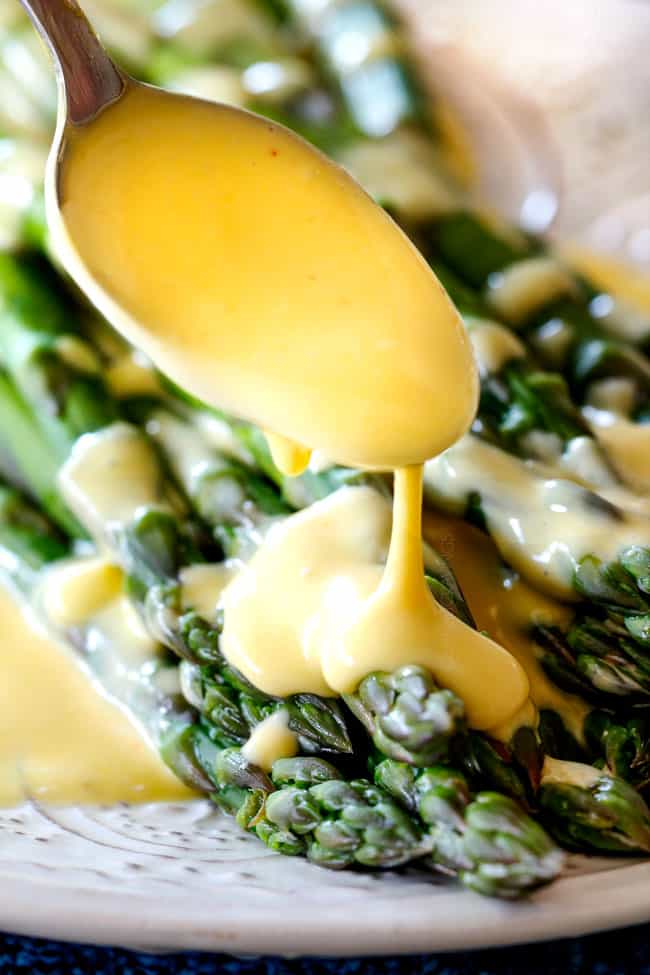
- Vegetables: Transform humble steamed or roasted vegetables like asparagus, broccoli, green beans, or artichokes into gourmet delights. The lemony richness cuts beautifully through green freshness.
- Seafood: A dollop of Hollandaise is exquisite over pan-seared scallops, baked cod, grilled salmon, or flaky halibut.
- Meat Dishes: Don't limit yourself! It pairs surprisingly well with a perfectly cooked steak or roasted chicken, especially if you're looking for a luxurious twist.
Storage and Reheating: A Freshness Advisory
Here's a crucial fact about Hollandaise: it's best eaten soon after it's made. The delicate emulsion doesn't hold up well over time, and due to the raw egg yolks, food safety is also a consideration. Ideally, serve it immediately.
- Short-Term Storage (Up to 30 minutes): If you need to hold it briefly, keep it warm over a double boiler of hot (not boiling) water or in a very low oven (around 200°F/95°C), stirring occasionally to prevent separation. Do not let it get too hot, as this will cook the eggs and break the sauce.
- Refrigeration: While generally not recommended for optimal quality, you can refrigerate leftovers for 1-2 days at most, though 3 days is the absolute maximum. The texture will change, and it may solidify.
- Reheating: If you must reheat, do so very gently. Place the cold Hollandaise in a heat-safe bowl over a saucepan of simmering water (a double boiler setup). Stir frequently and gently as it warms, only until it's just warm, not hot. Overheating will undoubtedly break the sauce. It's often better to make a fresh batch if time allows, given how quick the blender method is.
- Freezing: Not recommended. Freezing will almost certainly cause the emulsion to separate completely, resulting in an unappetizing texture upon thawing.
Beyond the Classic: Variations and Flavor Boosts
Once you've mastered the basic easy blender hollandaise sauce recipe, feel free to experiment with subtle variations to suit your palate or specific dishes:
- Herbaceous Hollandaise: Fold in finely chopped fresh herbs like chives, tarragon, or dill after the sauce is complete.
- Spicy Kick: Increase the hot sauce or try a pinch of cayenne pepper for a bolder heat.
- Citrus Twist: Substitute a portion of the lemon juice with lime juice or a splash of orange juice for a different citrus profile.
- Mustard Medley: Experiment with different types of mustard, such as whole-grain mustard for texture and a sharper bite, or even a touch of English mustard for extra pungency.
- Wine Reduction: For an extra layer of gourmet flavor, reduce a tablespoon of dry white wine or champagne with a pinch of shallots until nearly evaporated, then add this reduction to the egg yolk mixture before blending.
These small tweaks can transform your Hollandaise, making it uniquely yours and perfectly tailored to any culinary creation.
Conclusion: Embrace the Easy Hollandaise Revolution!
The days of fearing Hollandaise sauce are officially over. With the simple, rapid, and incredibly effective blender method, you can now confidently whip up this classic French sauce in minutes, achieving a quick, flawless, and no-separation result every single time. It's an indispensable skill for any home cook looking to elevate their meals, from a simple brunch to an elegant dinner party. So, shed those old fears, embrace your blender, and get ready to enjoy the rich, lemony perfection of homemade Hollandaise whenever the craving strikes. Your taste buds (and your inner chef) will thank you!
