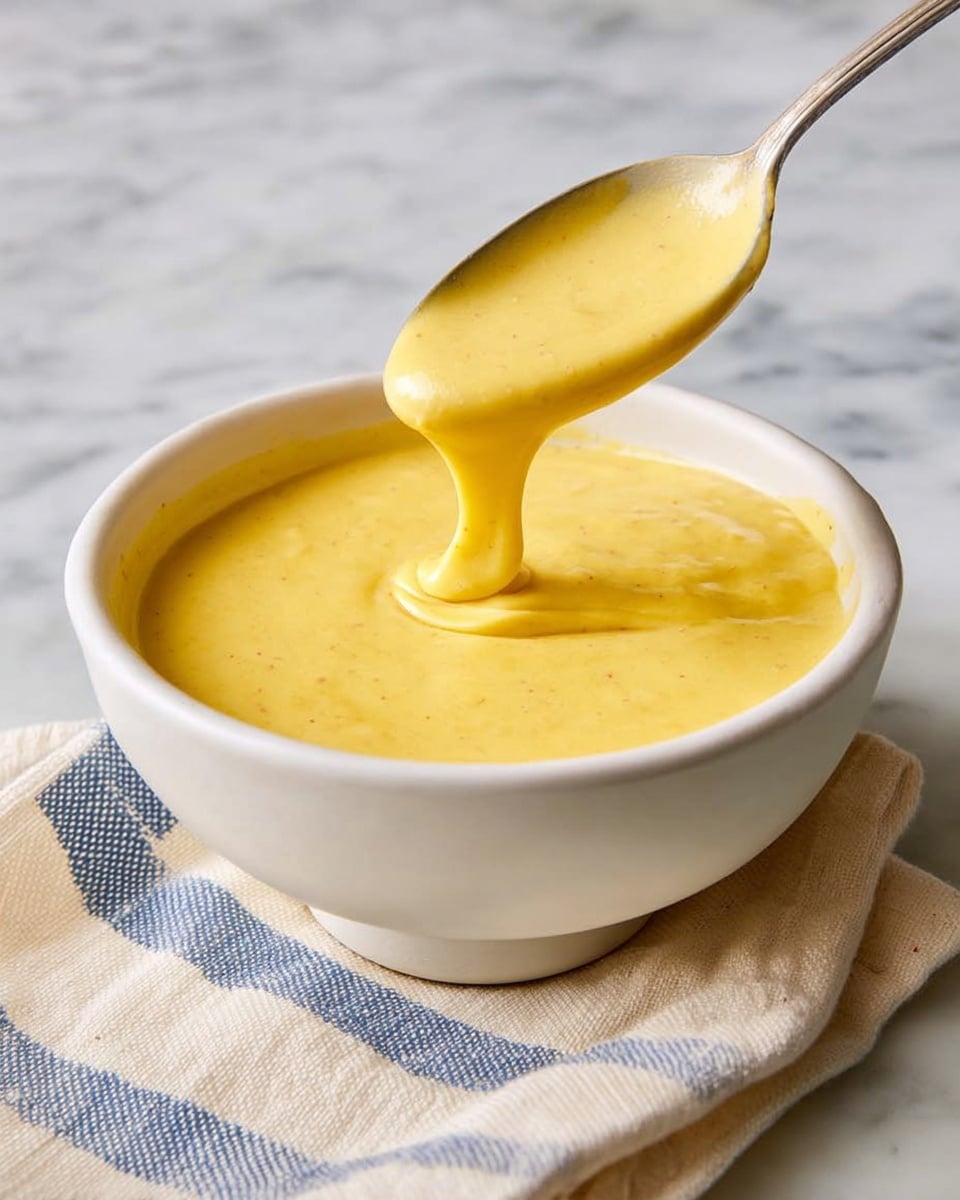
For many home cooks, the mere mention of Hollandaise sauce conjures images of culinary complexity, fear of curdled eggs, and the vigorous whisking arms of a seasoned chef. This classic French sauce, a buttery, lemony emulsion, has long been considered the pinnacle of brunch elegance – specifically, the crowning glory of Eggs Benedict – but also an intimidating challenge reserved for professional kitchens. Visions of separation, overheating, and painstaking double boilers have historically deterred even enthusiastic home cooks from attempting this rich, velvety delight.
But what if we told you that achieving perfectly smooth, divinely creamy Hollandaise is not only within your grasp but can be done in mere minutes, with minimal effort, and virtually no chance of failure? Enter the game-changer: the blender. This modern kitchen marvel transforms the daunting task of making Hollandaise into a quick, easy, and foolproof process. Forget the sweat, the swearing, and the risk of a "broken" sauce. With an easy blender hollandaise sauce recipe, you're just moments away from elevating your breakfasts, brunches, and even weeknight dinners to gourmet status. Prepare to unlock a world of culinary confidence!
Why Traditional Hollandaise Strikes Fear (And How the Blender Conquers It)
The traditional method for Hollandaise sauce is a delicate dance of emulsification. It involves slowly whisking egg yolks over a double boiler, gradually incorporating melted butter in a thin stream, all while maintaining a precise temperature. Too hot, and the egg yolks scramble; too cold, and the emulsion won't form or will break. The constant, energetic whisking required is enough to make anyone's arms ache, and even a moment's lapse in attention can lead to a greasy, curdled, or disappointingly thin sauce. This intricate process is precisely why so many people have been "desperately afraid" of making Hollandaise, relegating it to restaurant menus.
The blender, however, bypasses these challenges with elegant simplicity. It automates the most labor-intensive and delicate parts of the process. The high-speed blades of a blender or food processor create a powerful vortex that continuously incorporates air and emulsifies the ingredients far more efficiently than any human hand. This consistent agitation, combined with the controlled addition of hot butter, creates a stable emulsion quickly and reliably. You don't need "arms of steel" or a culinary degree; you just need a blender and a few minutes. It truly is the solution for anyone who has been intimidated by the thought of making this sauce.
The result is a Hollandaise with all the luscious texture and bright, rich flavor of its classic counterpart, but without the drama or the dread. This innovation has democratized Hollandaise, making it accessible to anyone who craves that luxurious lemony drizzle over their favorite dishes. For more insights into making this sauce effortlessly, be sure to check out Master Easy Blender Hollandaise: Quick, Flawless, & No Separation.
Your Quick & Creamy No-Fail Blender Hollandaise Recipe (The Essentials)
This easy blender hollandaise sauce recipe proves that Hollandaise sauce doesn't have to be intimidating. With just a handful of common ingredients and a few simple steps, you'll have a rich, velvety sauce ready to impress.
Key Ingredients You'll Need:
- Egg Yolks: Typically three, they are the backbone of the emulsion, providing richness and thickening power.
- Lemon Juice: About a tablespoon, freshly squeezed. It cuts through the richness of the butter, adding essential brightness and tang.
- Dijon Mustard: A teaspoon or two. This secret weapon adds a subtle piquancy and helps stabilize the emulsion.
- Hot Pepper Sauce: A dash (or more, to taste) of your favorite hot sauce like Tabasco. It provides a touch of warmth and complexity without making the sauce spicy.
- Unsalted Butter: Usually a whole stick (8 tablespoons or 113g), melted and very hot. The heat from the butter helps to gently cook the egg yolks and create a stable emulsion.
- Salt & Black Pepper: To taste, for seasoning.
Step-by-Step Instructions:
- Prepare Your Blender: Place the egg yolks, lemon juice, Dijon mustard, hot pepper sauce, and a pinch of salt into your blender or food processor.
- Melt the Butter: Melt the butter in a microwave-safe bowl or a small saucepan until it's very hot and bubbly. Crucially, it needs to be hot enough to gently "cook" the egg yolks without scrambling them, usually around 200-205°F (93-96°C).
- Blend the Base: Secure the lid on your blender and blend the egg yolk mixture on high for about 10-15 seconds. This combines the ingredients and begins to aerate the yolks.
- Slowly Stream in Butter: With the blender still running on high, slowly and steadily pour the hot melted butter through the opening in the lid (the feeder tube). The key here is a thin, continuous stream – don't dump it all in at once! This slow addition allows the emulsion to form properly.
- Blend Until Thick: Continue blending until all the butter is incorporated and the sauce is thick, creamy, and pale yellow. This usually takes about 30-60 seconds after all the butter has been added.
- Season and Serve: Taste and adjust seasoning with additional salt, pepper, or lemon juice if desired. Serve immediately.
For an even deeper dive into achieving this flawless sauce, don't miss Quick Blender Hollandaise: Perfect Sauce Without the Fuss or Fear.
Beyond Eggs Benedict: Versatile Uses for Your Homemade Hollandaise
While Eggs Benedict is undeniably the poster child for Hollandaise, limiting this glorious sauce to just one dish would be a culinary crime! Your freshly made, quick and creamy Hollandaise is incredibly versatile and can elevate a multitude of dishes, transforming everyday meals into something extraordinary. Its rich, lemony profile complements a wide range of flavors, making it a fantastic addition to both savory breakfasts and elegant dinners.
Consider these delightful pairings:
- Steamed Vegetables: Drizzle generously over vibrant green asparagus spears, tender broccoli florets, blanched green beans, or even roasted Brussels sprouts. The sauce adds a luxurious coating and brightens their natural flavors.
- Fish and Seafood: A spoonful of Hollandaise is magical on pan-seared salmon, baked cod, grilled halibut, or perfectly poached scallops. The citrusy butteriness complements the delicate flavors of the ocean beautifully.
- Poultry and Meat: While not as common, Hollandaise can be a surprising and delicious accompaniment to grilled chicken breast or even a perfectly cooked steak. Think of it as a richer, more vibrant alternative to a classic pan sauce.
- Other Breakfast & Brunch Items: Beyond Eggs Benedict, try it on Eggs Florentine (with spinach), Eggs Royale (with smoked salmon), or even just simple poached eggs on toast. It’s also fantastic with crab cakes or potato hash.
- Vegetarian Dishes: Spoon it over roasted potatoes, grilled portobello mushrooms, or even a simple frittata for an extra layer of indulgence.
Don't be afraid to experiment! Once you realize how easy it is to make an easy blender hollandaise sauce recipe, you'll find countless ways to incorporate its luxurious taste into your cooking.
Troubleshooting & Storage Tips for Perfect Hollandaise Every Time
Even with the foolproof blender method, understanding how to troubleshoot and properly store your Hollandaise ensures success and enjoyment. While the blender significantly reduces the risk of error, it's good to know how to fix a "broken" sauce and handle leftovers.
Troubleshooting a Broken Hollandaise:
A broken Hollandaise might appear greasy, curdled, or too thin and watery instead of beautifully light yellow and creamy. Here's how to rescue it:
- If it's too thick: If your sauce is overly thick after blending, add a tablespoon of hot water at a time while blending on low, until it reaches your desired consistency.
- If it's too thin: Sometimes, adding the butter too quickly or not having it hot enough can result in a thin sauce. Try adding another egg yolk to the blender and process on high for 10-15 seconds. Then, slowly drizzle the thin sauce back into the blender while it's running, similar to how you added the butter. This often helps to re-emulsify it.
- If it's curdled/separated (greasy appearance):
- Method 1 (New Yolk): In a clean bowl (or the blender), whisk one fresh egg yolk with a teaspoon of hot water or lemon juice. Slowly, drop by drop, whisk or blend in the broken Hollandaise sauce until it re-emulsifies and becomes smooth again.
- Method 2 (Hot Water): If it's only slightly curdled, sometimes adding just a teaspoon of very hot water to the blender while it's running can bring it back together.
Storage & Reheating Hollandaise:
Hollandaise sauce, being an emulsion primarily made of egg yolks and butter, does not store well for extended periods. It's best eaten soon after it's made for optimal texture and safety.
- Immediate Use (within 30 minutes): If you need to keep it warm for a short period, place the blender jar or a heat-safe bowl containing the Hollandaise over a double boiler of hot (not boiling) water. Stir occasionally to prevent separation. You can also keep it in a very low oven (around 200°F/93°C) for a brief time, stirring every few minutes.
- Refrigeration (Not Recommended for Long): While you *can* refrigerate leftover Hollandaise for 1-2 days (at most 3 days), its texture will change significantly. It will likely solidify and separate. Freezing is generally not recommended as the emulsion almost always breaks upon thawing.
- Reheating Gently: If you must reheat refrigerated Hollandaise, do so very gently. Place it in a double boiler or a heat-safe bowl over a saucepan of simmering water. Stir it frequently as it slowly warms up, just to a warm temperature, never hot or boiling. The goal is to bring it back to a pourable consistency without breaking the emulsion further. Be warned: the texture might not be as perfectly smooth as when freshly made, but it will still be delicious.
Given the speed and ease of an easy blender hollandaise sauce recipe, making it fresh for each use is always the best approach. It takes so little time, why compromise on perfection?
Conclusion
The days of fearing Hollandaise sauce are officially over. Thanks to the revolutionary simplicity of the blender method, this once-intimidating culinary classic is now accessible to everyone. No more visions of separated sauces, aching arms, or complex double boilers. With just a few basic ingredients and a quick whirl in your blender, you can create a perfectly smooth, rich, and zesty Hollandaise that will instantly elevate any meal.
From luxurious Eggs Benedict to simple steamed vegetables or elegant fish dishes, your homemade blender Hollandaise will impress with its restaurant-quality taste and texture. So, put away your fears, embrace the ease, and discover the joy of making this quick and creamy no-fail sauce. It's time to unlock perfect Hollandaise and add a touch of gourmet magic to your kitchen!
